
It’s almost automatic these days to hear “The Star-Spangled Banner” before the start of sporting events. But have you ever stopped to really think about why it’s played?
This anthem, more than just a melody, embodies the essence of a nation. It recalls a key battle from the War of 1812 and has become a staple in American sports culture. However, whether it is essential is still a topic of diverse opinions.

Every time you hear those familiar notes filling stadiums and arenas, you might not think much of it. But let’s delve into why this tradition took root in the first place.
The answer goes back to the grim days of World War I, a period when the anthem gradually came to stand as a beacon of national pride and perseverance.

Tracing Back to a Pivotal Time
The tradition of playing the national anthem at sporting events found its foothold during a somber chapter in history. Military bands sometimes serenaded baseball fans with the anthem in the late 19th century, but it wasn’t until March 3, 1931, that “The Star-Spangled Banner” was formally declared the national anthem by Congress.
September 5, 1918, marked a significant milestone when Game 1 of the World Series saw the Boston Red Sox face off against the Chicago Cubs.
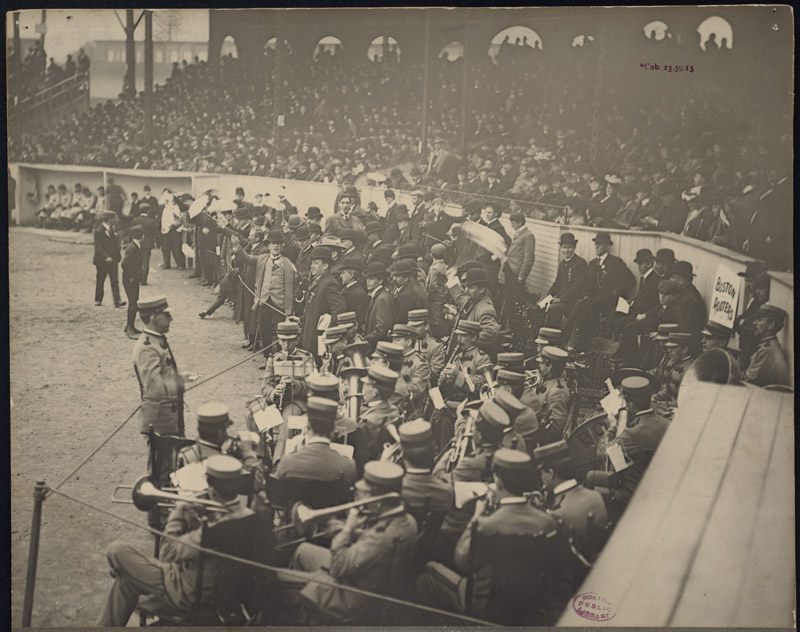
This event took place against the backdrop of World War I, during the same month the U.S. Army launched the historic Meuse-Argonne Campaign. Over 100,000 American men had already perished on the battlefields of Europe.
The clouds of war were heavy, and the grimness was intensified by a bomb that exploded in Chicago the day before the game, resulting in loss and overshadowing the event.
With rain delaying the match, a crowd of just over 19,000 gathered at Comiskey Park, a far cry from the usual 32,000. Nevertheless, the mood underwent a transformation during the seventh-inning stretch when the U.S. Navy band struck up the national anthem.
The Spark of a Chain Reaction
The Chicago Tribune recounted how Red Sox infielder Fred Thomas, who was on Navy leave to play in the World Series, saluted the American flag in a spontaneous act, which inspired others to do the same. As the anthem drew to a close, the stadium burst into applause, filling the atmosphere with unmistakable patriotic fervor.
The New York Times detailed how this instance represented “the highest point of enthusiasm” during the event. From that point forward, the anthem’s presence became increasingly prominent in future games. To honor wounded veterans, the Red Sox extended free tickets to servicemen, acknowledging their service during the anthem at Game 6’s pivotal moment.
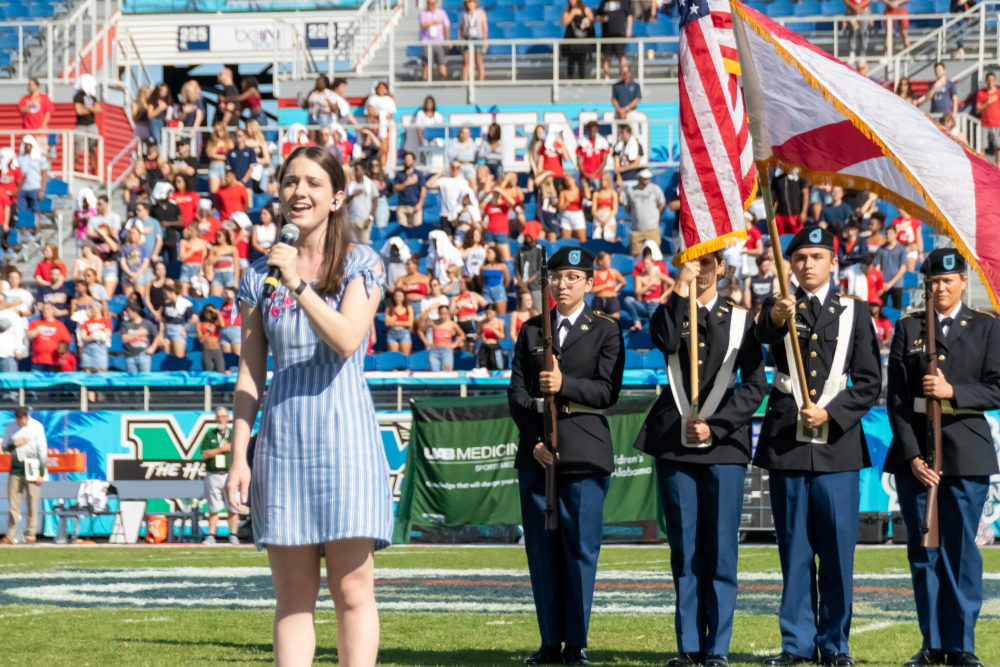
The wave of patriotism steered more ballparks to integrate the anthem into their traditions. By the time it became official in 1931, the NFL had already made it a mandatory practice to play it at every football game, a ritual that swiftly proceeded to include all major sports.
The advancements in sound system technology during World War II ensured the anthem’s omnipresence, as Marc Ferris details in his work, “Star-Spangled Banner: The Unlikely Story of America’s National Anthem.” He emphasizes that the anthem became heard “before the opera, before movies, before the theater,” symbolizing American pride across various settings.
The Ongoing Debate
For years, the question of whether the anthem holds a rightful place at sporting events has sparked much debate. As far back as 1954, worries about audience behavior led Baltimore Orioles general manager Arthur Ehlers to temporarily ban its performance, a decision swiftly reversed by public demand.
In the 1970s, sports radio host Guy Mainella stirred controversy by suggesting the anthem commemorated military feats and didn’t belong at sports events. He noted, “It’s a game we’re about to watch, not the Battle of Iwo Jima.”
In recent times, discussions have intensified, especially following Colin Kaepernick’s protests addressing systemic racism and police brutality. Veteran sports writer Peter May questioned the tradition’s necessity:
“Would any of us feel less patriotic or less supportive of the troops if teams decided to stop playing the song altogether?” He pondered, “The anthem is only played at sports events… You don’t encounter it at the opera, the theater, or concert halls, yet it has embedded itself into sports culture. Attending an NFL, NBA, MLB, or NHL game without hearing it is unheard of.”
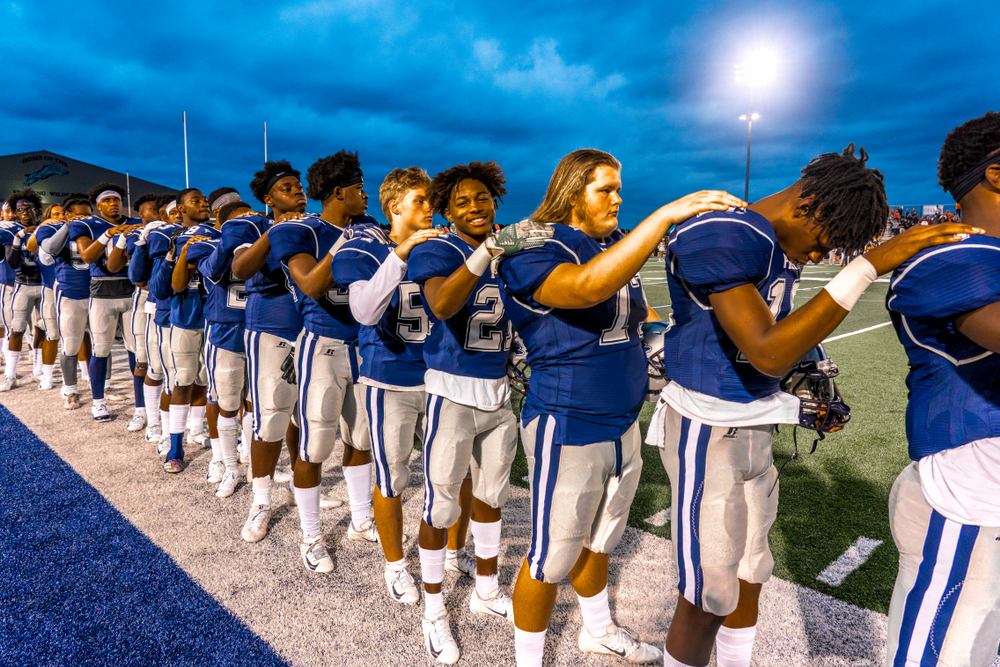
In November 2020, the decision by Mavericks owner Mark Cuban to cease playing the anthem at home games as part of a player-driven social justice initiative stirred controversy. Texas Lt. Gov. Dan Patrick condemned the move as an affront to Americans.
Patrick declared, “It is hard to believe this could happen in Texas, but Mark Cuban’s actions highlighted the need to mandate the playing of the anthem before all major events in the state.”
In response to mounting political pressure from Texas lawmakers, the NBA reinstated the practice for Maverick games the next year.
Your Turn to Weigh In
As we observe, opinions span a broad spectrum. Some regard the anthem as a homage to fallen heroes, while others see it as reflective of the American narrative. What are your thoughts? Is this a treasured tradition worth maintaining, or is there room for evolution?
The significance of “The Star-Spangled Banner” is subjective, molded by personal views and experiences. Does the anthem deserve its spot at sporting events?
We invite you to share your thoughts and join the conversation. What’s your stance on this longstanding tradition?